Blue Light: Myth vs. Reality - What Science Says About Screens & Your Eyes
Smartphones, tablets, laptops, and LED lighting are part of everyday life - but with all that screen time comes growing concern about blue light. Is it truly harmful to your eyes, or has it been blown out of proportion? Let’s separate myth from reality and explain what science actually says, how it connects to computer vision syndrome, and what you can do to protect your eyes.
What Is Blue Light?
Blue light is a high-energy, short-wavelength light that’s part of the visible light spectrum. It comes from both natural and artificial sources:
• Natural: Sunlight (by far the strongest source)
• Artificial: Digital screens, LED lighting, and fluorescent bulbs
Blue light isn’t inherently bad. In fact, it plays an important role in regulating sleep-wake cycles, mood, and alertness. Problems arise not from blue light alone - but from how long and how often we stare at screens.
Myth #1: Blue Light from Screens Is Damaging Your Eyes
There’s currently no strong scientific evidence that blue light from digital devices causes permanent eye damage or diseases like macular degeneration.
The amount of blue light emitted by screens is minimal compared to sunlight. That said, prolonged screen use can cause significant eye discomfort, which often gets incorrectly blamed on blue light itself.
Myth #2: Blue Light Is the Main Cause of Digital Eye Strain
Digital eye strain - also known as computer vision syndrome (CVS) - is caused by how we use screens rather than blue light alone. Long periods of focusing on digital devices place extra demands on the eyes, which can lead to discomfort and visual fatigue over time.
Common symptoms of computer vision syndrome include tired or sore eyes, frequent headaches, blurred vision, and dry or irritated eyes. Many people also experience neck and shoulder pain, which often develops from poor posture during prolonged screen use.
The underlying causes of CVS are typically related to everyday habits. Reduced blinking while staring at screens can contribute to dryness, while improper viewing distance and poor posture increase strain on both the eyes and body. Glare from screens or surrounding lighting, as well as uncorrected or outdated vision prescriptions, can further intensify symptoms and make screen use more uncomfortable.
Myth #3: Blue Light Glasses Are Always Necessary
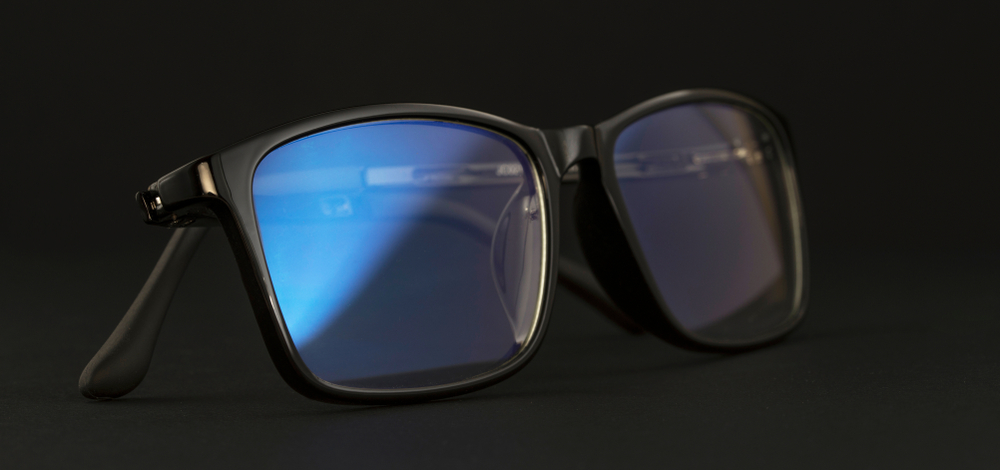
Blue light–filtering lenses can be helpful for some people, especially those who experience eye strain or use screens extensively. However, they are not a cure-all and may not be necessary for everyone.
The most effective way to manage screen-related discomfort is through a well-rounded approach that includes proper vision correction, healthy screen habits, and regular comprehensive eye exams. Together, these steps help reduce eye strain, improve visual comfort, and address underlying issues that may be contributing to symptoms. Our optometrist can also evaluate your individual visual needs and determine whether blue light–filtering lenses would be beneficial for your daily screen use.
Why Comprehensive Eye Exams Matter
If you’re experiencing frequent headaches, tired eyes, or blurred vision after screen use, it may be time for a comprehensive eye exam.
At Eyes on the Bloc Optometry, comprehensive exams go beyond reading letters on a chart. They help:
• Detect subtle vision changes affecting screen comfort
• Identify dry eye or focusing issues
• Address symptoms of computer vision syndrome
• Determine whether specialty lenses or coatings are right for you
Many people assume eye strain is “normal” with screen use - but often, it’s a sign that your eyes need support.
Protect Your Vision in a Digital World
Blue light from screens isn’t the villain it’s often made out to be - but prolonged, unbalanced screen use can take a real toll on your visual comfort. With the right habits and regular eye care, you don’t have to choose between modern technology and healthy vision.
If screen time is leaving your eyes tired, schedule a comprehensive eye exam at Eyes on the Bloc Optometry to learn more about your options. Visit our office in Los Angeles, California, or call (213) 623-5196 to book an appointment today.
© 2026 Eyes on the Bloc Optometry. All rights Reserved - Accessibility Statement - Privacy Policy - Sitemap
Managed and Designed by 