How Often Should You Really Get an Eye Exam (2026 Edition)?
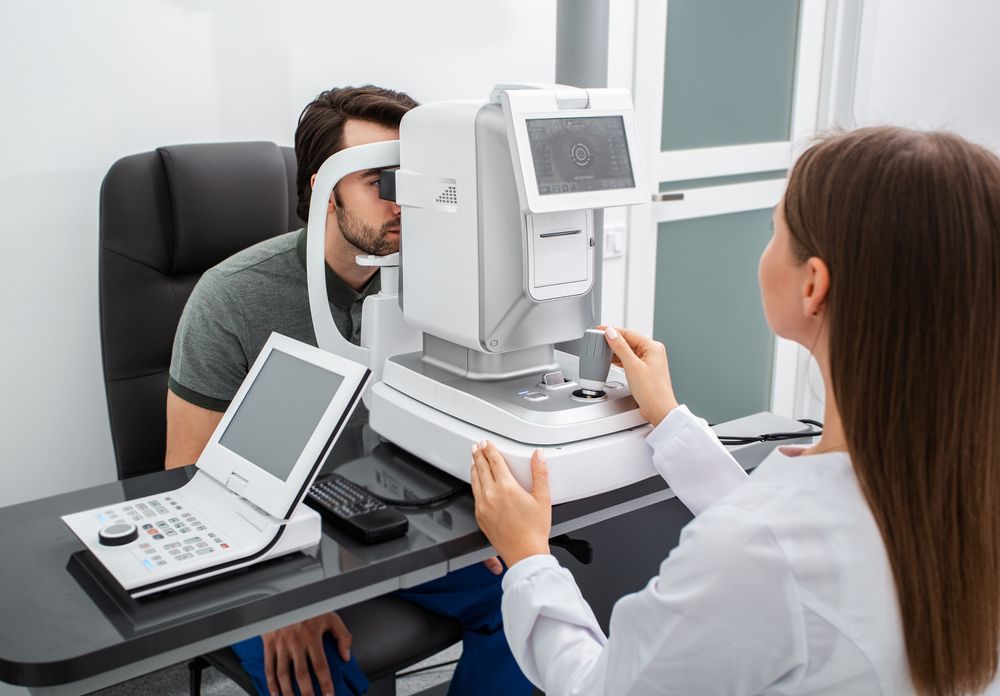
When was your last comprehensive eye exam? If you’re struggling to remember, you’re not alone. Many people only schedule an eye appointment when their vision becomes noticeably blurry or uncomfortable. But in 2026, with increasing screen time, rising rates of chronic health conditions, and growing awareness of preventive care, annual comprehensive eye exams are more important than ever.
Why Annual Eye Exams Matter More Than You Think
A comprehensive eye exam does much more than determine whether you need glasses or contact lenses. It’s a detailed evaluation of your overall eye health and visual function. Even if your vision seems perfectly fine, underlying issues can develop without obvious symptoms.
Annual exams allow your optometrist to:
- Detect early signs of eye disease
- Monitor changes in vision
- Update prescriptions as needed
- Identify health conditions that may affect your eyes
Many serious eye conditions develop gradually and painlessly. By the time symptoms appear, permanent damage may have already occurred. Regular visits help catch problems early - when they are most treatable.
Eye Exams for Adults: What’s Recommended in 2026?
Even young adults with healthy vision should schedule yearly comprehensive eye exams. Increased digital screen use has led to more cases of digital eye strain, dry eye, and early vision changes. Annual visits ensure your eyes stay healthy despite modern lifestyle demands.
As you enter your 40s, the risk for age-related changes increases. Near vision often declines, and early signs of conditions like glaucoma, cataracts, and macular degeneration may begin to appear. Annual exams are critical during this stage to monitor subtle changes and preserve long-term vision.
Adults over 65 face a higher risk of developing vision-threatening conditions. Yearly exams - or more frequent visits if recommended - help protect independence and quality of life.
Children and Teens Need Annual Exams, Too
Children should have routine comprehensive eye exams, even if they pass school vision screenings. Screenings only detect limited issues and can miss problems like focusing disorders, eye teaming issues, or early nearsightedness.
With the continued rise in childhood myopia (nearsightedness), yearly exams are essential for early detection and management. Addressing vision problems early supports better academic performance, confidence, and long-term eye health.
Eye Exams and Your Overall Health
Your eyes offer a unique window into your overall health. During a comprehensive exam, your optometrist may detect signs of systemic conditions such as:
- Diabetes
- High blood pressure
- High cholesterol
- Autoimmune disorders
For patients with existing health conditions, annual (or sometimes more frequent) eye exams are especially important to monitor potential complications.
Schedule Your Annual Eye Exam Today
So how often should you really get an eye exam in 2026? For most people, the answer is once a year. Annual comprehensive eye exams help detect problems early, maintain clear vision, and support your overall health. Whether you wear glasses, contacts, or no correction at all, consistent preventive care is the key to long-term eye wellness.
Contact Eyes on the Bloc Optometry to schedule your annual exam and take the first step toward protecting your vision in 2026 and beyond. Visit our office in Los Angeles, California, or call (213) 623-5196 to book an appointment today.
© 2026 Eyes on the Bloc Optometry. All rights Reserved - Accessibility Statement - Privacy Policy - Sitemap
Managed and Designed by 