Low-Dose Atropine Drops vs. MiSight Lenses: Which Myopia Control Service Is Right for Your Child?
When a child develops myopia, or nearsightedness, simply updating their glasses prescription does not address how quickly their vision may continue to change. At Eyes on the Bloc Optometry, we offer myopia control in Los Angeles to help slow myopia progression and protect your child's long-term eye health.
Two options we may recommend are low-dose atropine eye drops and MiSight 1 day contact lenses. Both can play an important role in myopia management, but the right choice depends on your child's age, prescription, lifestyle, and comfort level.
How Low-Dose Atropine Drops Work
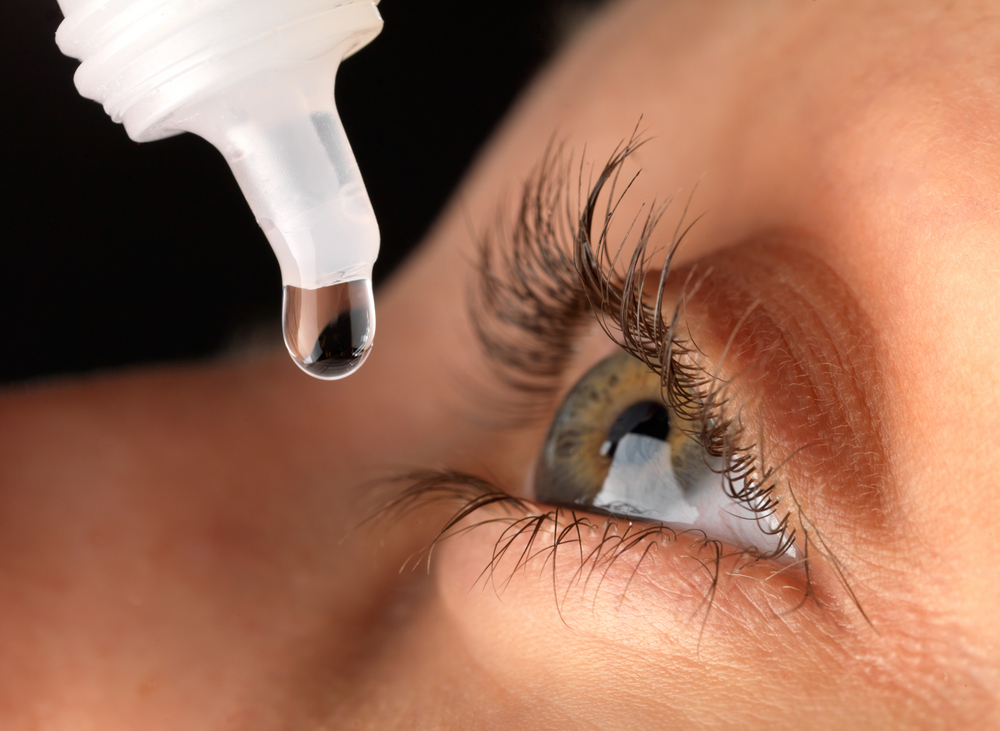
Low-dose atropine is a prescription eye drop typically used once each day. Unlike glasses or contact lenses, atropine does not provide the vision correction your child needs during the day. Your child will still need glasses or contact lenses to see clearly.
Instead, atropine is used as a myopia control treatment to help slow the progression of nearsightedness. For some Los Angeles families, eye drops can be a convenient option because they do not require a child to wear specialized contact lenses.
Low-dose atropine may be worth considering for children who are young, are not ready for contact lenses, or would benefit from a treatment that can easily become part of an evening routine.
How MiSight Lenses Manage Myopia
MiSight 1 day lenses are daily disposable soft contact lenses designed specifically for children with myopia. They correct blurry distance vision while also using specialized optics to help slow myopia progression.
Because MiSight lenses are replaced every day, there is no nightly cleaning or lens storage. Children can wear them during school, sports, and other daily activities while receiving both clear vision and myopia control.
MiSight may be a good fit for children who are comfortable handling contact lenses and want more freedom from glasses during the day.
Atropine vs. MiSight: What Should Parents Consider?
When helping Los Angeles parents compare these myopia control services, we look beyond a child's current prescription. Important factors include:
Your child's age and rate of myopia progression
Whether your child is comfortable wearing contact lenses
Daily activities, including school and sports
Ability to follow a consistent treatment routine
Eye health and contact lens suitability
Your family's preferences and long-term myopia management goals
There is no single treatment that is right for every child. A comprehensive eye exam allows us to evaluate how your child's eyes are developing and determine which approach makes the most sense.
Personalized Myopia Control in Los Angeles
Myopia can continue progressing throughout childhood, which is why early monitoring is important. Higher levels of myopia are associated with an increased risk of eye health problems later in life, so our goal is to slow progression while helping your child see clearly and comfortably.
At Eyes on the Bloc Optometry, we personalize myopia control rather than relying on a one-size-fits-all approach. We can discuss low-dose atropine, MiSight lenses, and your child's individual risk factors to create a plan that fits their needs.
If your child is nearsighted or their prescription continues to change, contact Eyes on the Bloc Optometry at 700 West 7th Street, Plaza Level, Suite G260 in Los Angeles, CA by calling (213) 623-5196 to schedule a myopia control evaluation.
© 2026 Eyes on the Bloc Optometry. All rights Reserved - Accessibility Statement - Privacy Policy - Sitemap
Managed and Designed by 